
🎯 Why Class Rank Matters for Students
Class rank shows how your performance compares to others at your school. Colleges and scholarships use it to judge effort, consistency, and course choices.
Scholarship Eligibility
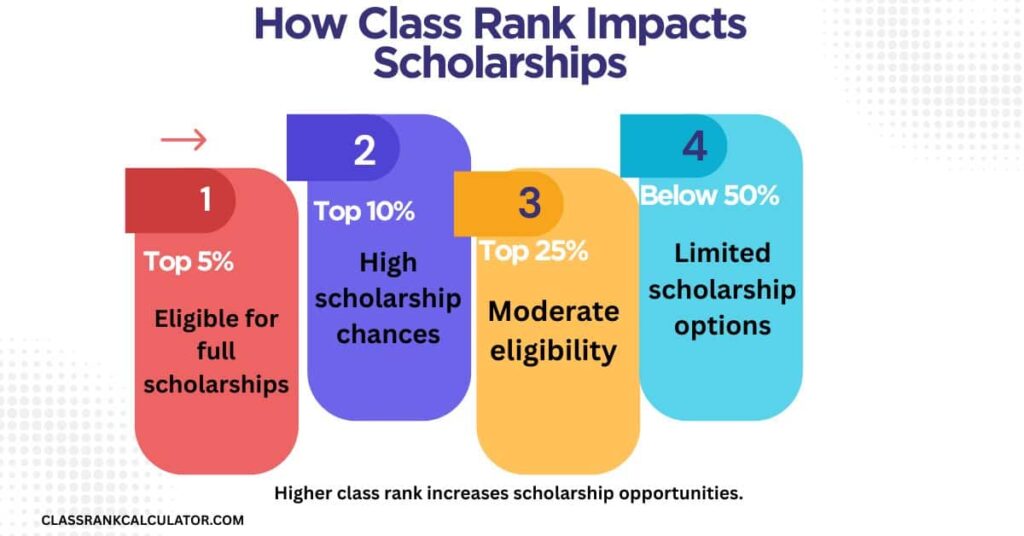
Many scholarships look at class rank to identify strong students. With a higher rank, your chances of earning financial support increase. Certain programs even require you to be in the top 5% or 10% to qualify
College Admissions Advantage

When comparing applicants from different schools, colleges often use class rank. Standing out in admissions becomes easier with a solid class rank, as it highlights your hard work and consistency each semester. Students within the top 10% frequently gain a competitive advantage at many universities.
Academic Competition
Class rank motivates students to maintain focus, fueling friendly competition and offering a clear way to track progress. Watching your position rise can increase confidence and inspire higher goals.
Course Planning and AP/Honors Decisions
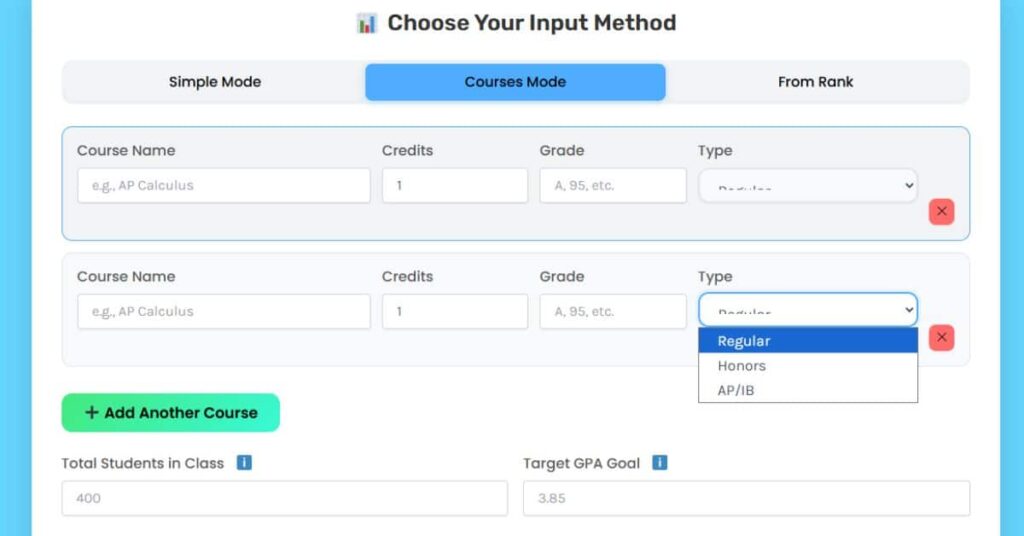
Class rank guides course selection, too. Students hoping to climb the ranks may take AP, IB, or honors classes, which boost weighted GPA. Careful course planning can help raise your rank and reinforce your college profile.
Use the Class Rank Calculator below to check how your GPA, courses, and class size affect your rank and percentile
🧮 How to Calculate Your Class Rank Step by Step Guide
Class rank shows your position in the class based on GPA and academic performance. To understand how class rank is calculated, it helps to review the typical methods schools use. Following these steps can help you track progress and set realistic goals.
Exact Calculation Method
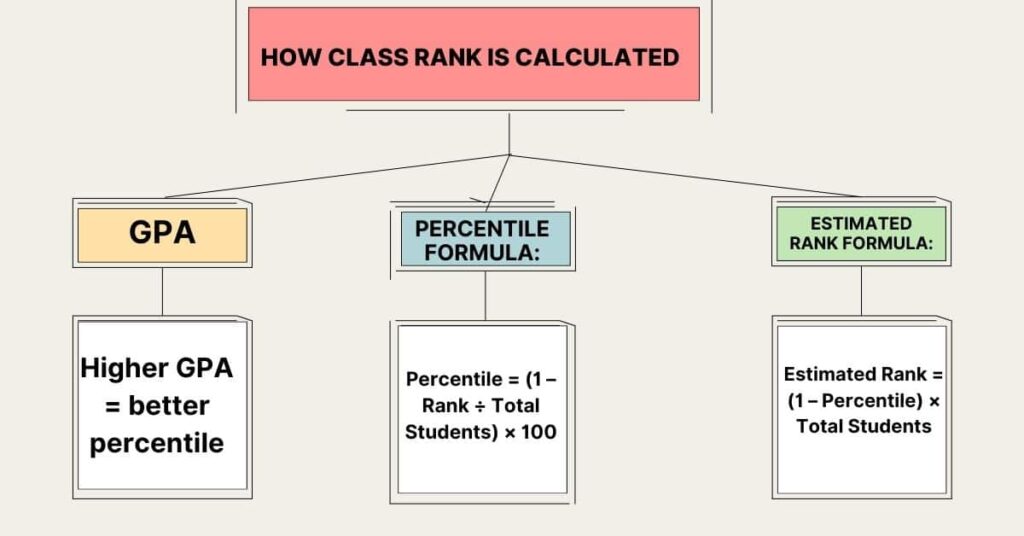
To calculate class rank, schools compare every student’s GPA and create a list from highest to lowest; your place on this list becomes your class rank, with the student holding the highest GPA positioned at Rank #1.
Rank Estimation Formulas
If you want to estimate your class rank at home, you can use a simple formula.
Rank Estimate:
Estimated Rank = (1 – Percentile) × Total Students
Percentile Formula:
Percentile = (1 – Rank ÷ Total Students) × 100
These formulas are useful because they help you see just how small changes in your GPA can affect your position in the class.
Weighted vs. Unweighted Factors
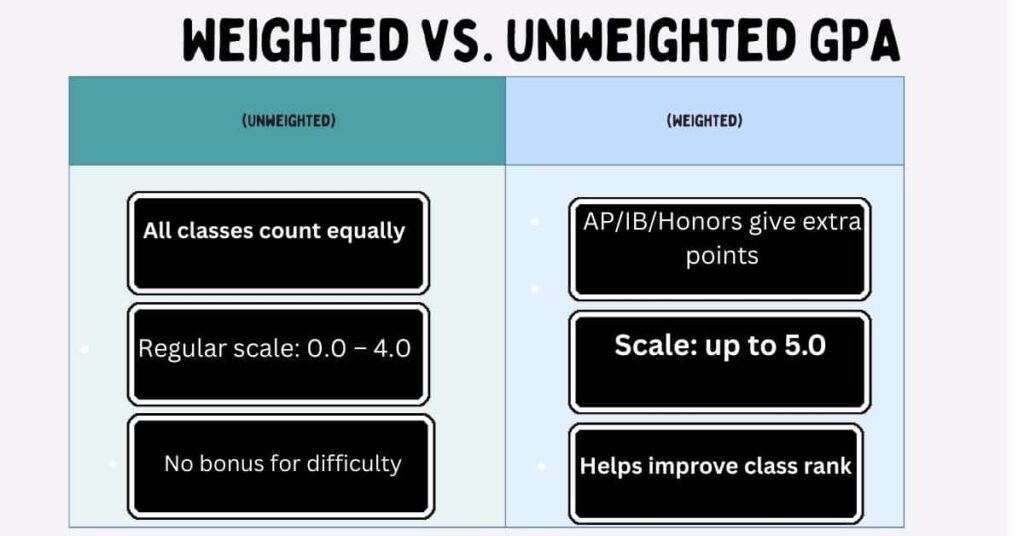
Since an unweighted GPA treats every class the same, all courses contribute equally to your score.
If you take AP, IB, or Honors classes, a weighted GPA adds extra points for these advanced courses.
By enrolling in advanced courses, your weighted GPA can improve and potentially increase your class rank.
Example Calculation: GPA 3.75 with Class Size 400
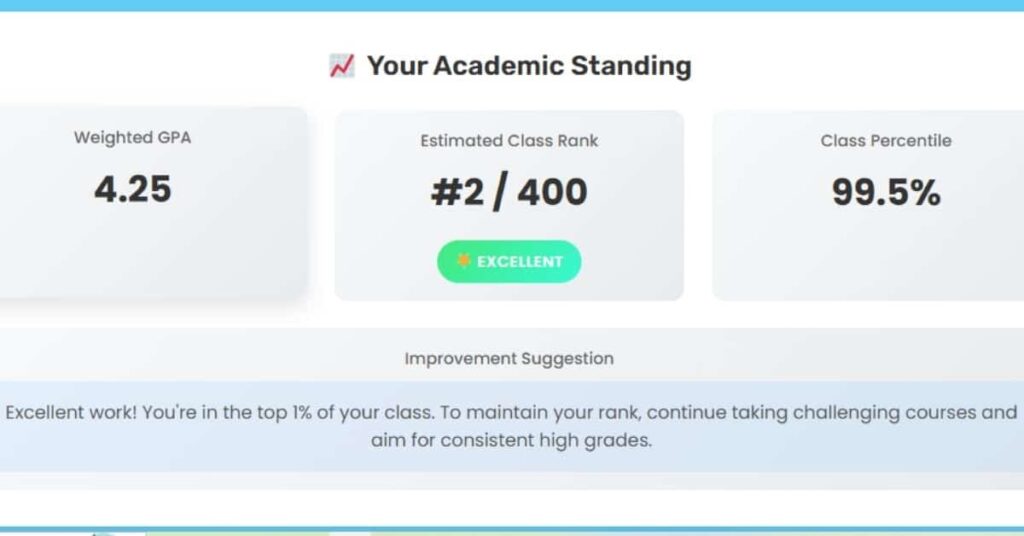
A student with a 3.75 GPA in a class of 400 students will often find themselves in the top 5–10 percent of the class.
When the same student takes AP or Honors classes, their weighted GPA may rise to 4.25, a score that can move them into the top 1 percent.
Your Class Rank Calculator shows:
- Weighted GPA: 4.25
- Estimated Rank: #2 / 400
- Percentile: 99.5%
This example shows how a weighted GPA can improve your standing.
Use the Class Rank Calculator below to estimate your GPA, rank, and percentile using simple or advanced input methods.
🎓 What Is Class Rank & Why It Matters
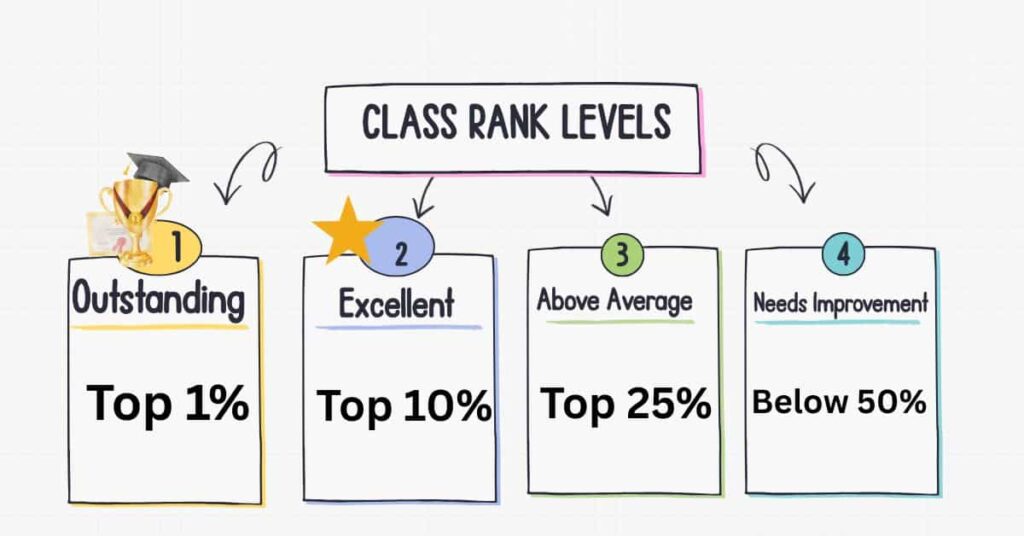
Have you ever wondered how you measure up to your classmates? Class rank shows where you stand compared to others in your grade. It is based on your academic performance and helps schools see your overall position in the class. A lower rank number means stronger performance.
Class Rank, GPA, and Percentile—The Difference
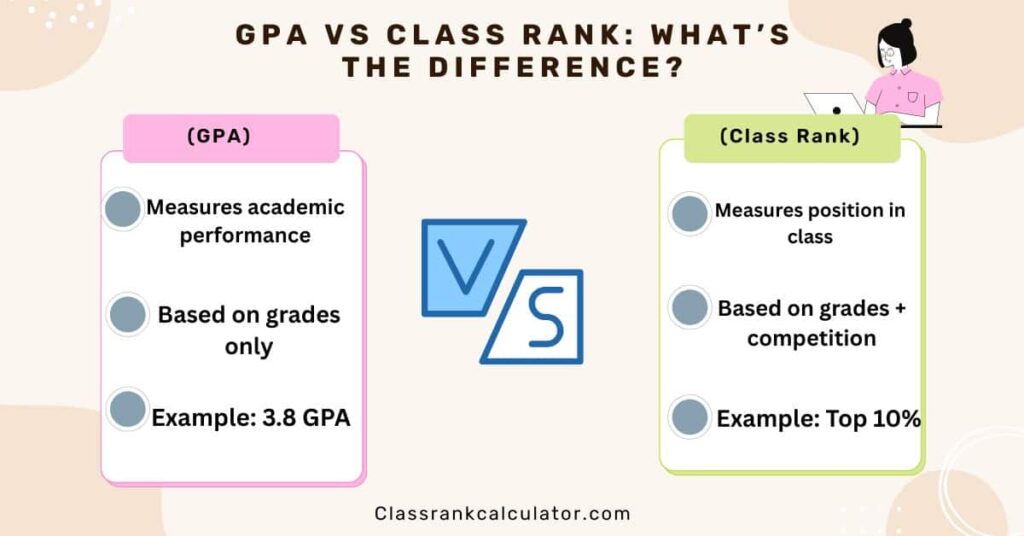
Do you know what your GPA says about you? It shows your average grades. And what about your class rank—where do you think you fall among all students? Have you ever checked your percentile to see how many students you outperformed? For instance, if you’re in the 90th percentile, you did better than 90% of your classmates.
How Colleges View Class Rank
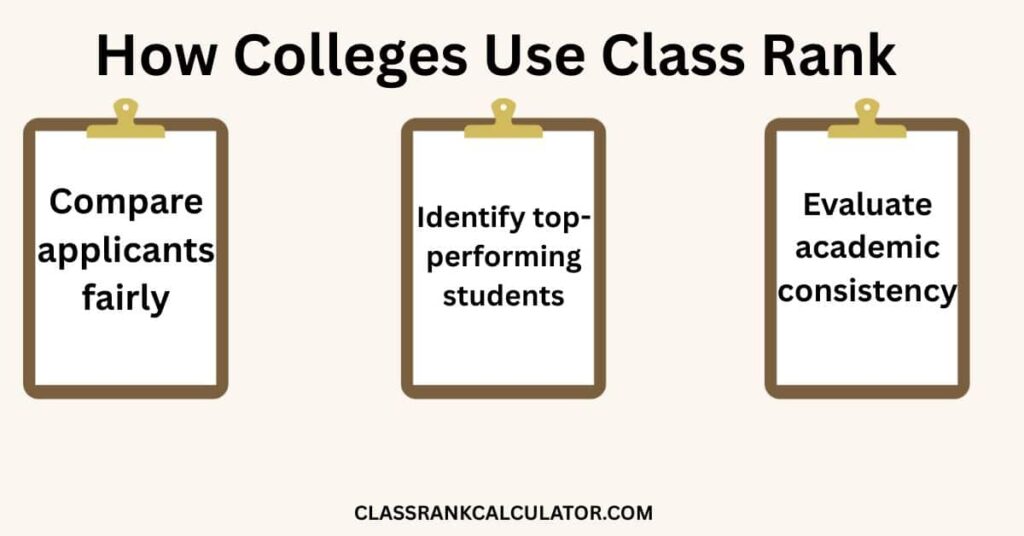
Ever wondered how colleges quickly size up your academic performance? Many U.S. colleges use class rank to understand academic strength quickly. It helps them compare students from different schools. A high rank shows consistency, effort, and strong coursework. Some colleges also check weighted GPA to review advanced classes like AP, IB, or honors.
To give you context for your own ranking, here are examples of common rank groups:
| Percentile | Meaning |
|---|---|
| Top 1% | Elite performance |
| Top 10% | Excellent academics |
| Top 25% | Above average |
| Top 50% | Average standing |
These groups help students understand how competitive their profile is for college admissions.
You can use the Class Rank Calculator below to find your GPA, rank, or percentile based on simple input options